For a lot of men, the first sign isn't dramatic — it's a moment that doesn't go the way it used to, and then another, until you start bracing for it. The worry itself becomes part of the problem. Maybe you've tried the pills; maybe they work well enough, but you'd rather not plan intimacy around a prescription, and you've begun to wonder whether anything actually addresses the underlying issue instead of masking it for a few hours.
That instinct is a sound one. Erectile function is, at its core, about blood flow — and shockwave therapy is one of the few options designed to improve the plumbing itself rather than override it temporarily. It isn't the right answer for every man, but for the right candidate it works on the cause, not just the moment.
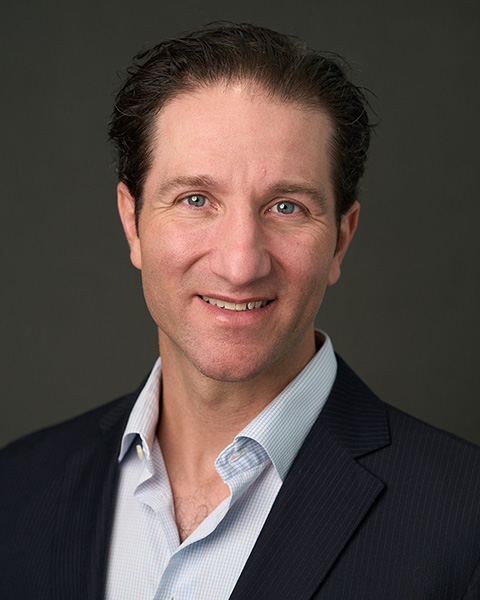
From Dr. Robbins' PracticeMost men wait far too long to raise this, usually because they assume the only options are a pill or nothing. There's more to offer than that. My first job is to understand why it's happening for you — and then to be honest about whether shockwave is likely to help.
Low-intensity shockwave therapy (LiSWT) uses acoustic waves to stimulate angiogenesis — the formation of new blood vessels in penile tissue. Unlike medications that temporarily mask symptoms, shockwave therapy addresses the root vascular cause of erectile dysfunction, promoting lasting natural improvement.
The treatment stimulates the release of growth factors, activates resident stem cells, and promotes tissue regeneration at the cellular level.
Most erectile dysfunction is, at its root, a vascular problem — the arteries and the dense network of small vessels inside the erectile tissue no longer deliver enough blood to produce or sustain a firm erection. Low-intensity shockwave therapy targets that vascular deficit directly, through a process called mechanotransduction: the conversion of mechanical energy into a biological repair signal.
Focused, low-intensity acoustic waves pass painlessly through the tissue, creating microscopic shear forces along the vessel walls. These forces are sensed by the endothelial cells that line your blood vessels.
In response, the tissue upregulates key signaling molecules — most notably vascular endothelial growth factor (VEGF) and endothelial nitric oxide synthase (eNOS) — and recruits circulating endothelial progenitor cells and resident stem cells to the area.
Over the following weeks, those signals drive the growth of new blood vessels and the repair of existing ones — restoring blood flow to the erectile tissue rather than temporarily forcing dilation the way a PDE5 inhibitor does.
This is why benefits continue to develop for one to three months after a treatment course, and why, for appropriate candidates, improvement can outlast the treatment itself. In a meta-analysis of 14 randomized studies, a majority of men with vasculogenic ED saw clinically meaningful gains in erectile-function scores — with the strongest responses in men whose ED was mild-to-moderate and blood-flow related.
Acoustic waves trigger new blood vessel formation, addressing the root vascular cause rather than masking symptoms.
Many patients reduce or eliminate ED medication dependency. Enjoy spontaneous intimacy without planning around a pill.
Each 15-20 minute session requires no anesthesia, no incisions, and no recovery time. Return to work and activities immediately.
76% of patients achieved erections sufficient for intercourse in a meta-analysis of 14 clinical studies.
Benefits documented for 2+ years. Maintenance treatments available to sustain improvements.
Vascular health screening and erectile function evaluation to determine if shockwave therapy is right for you.
Typically 6-12 sessions, scheduled twice weekly. Your protocol is tailored to your specific condition and goals.
Each 15-20 minute session involves application of focused acoustic waves. Most patients describe a mild tingling sensation with no discomfort.
New blood vessels develop over 1-3 months following treatment. Follow-up assessments track your improvement.
Shockwave therapy may be right for you if you:
The first step isn't treatment — it's finding out whether you're a good candidate at all. A straightforward evaluation tells us what's driving your ED and whether shockwave is the right tool for it. Most men tell us the hardest part was simply deciding to ask; everything after that felt easier than they'd feared.
Medically reviewed by Dr. David Robbins — Board-Certified Urologist, INTIMÉ Miami. Last reviewed April 2026.
Low-intensity acoustic waves stimulate neovascularization (new blood vessel growth), activate stem cells, and release growth factors in penile tissue. This addresses the root vascular cause of ED rather than masking symptoms.
The treatment is virtually painless. Most patients describe a mild tingling or pulsing sensation. No anesthesia is required and there is no recovery time.
Typically 6-12 sessions, scheduled twice weekly over 6-12 weeks. Your protocol is customized based on your specific condition and response to treatment.
Some patients notice improvement after just a few sessions. Optimal results develop over 1-3 months as new blood vessels form and tissue regeneration occurs.
Clinical studies have documented benefits lasting 2 years or longer. Periodic maintenance treatments can help sustain improvements over time.
Yes. Shockwave therapy works differently from medications by improving underlying blood vessel health. It can help men who have not responded well to oral ED medications.
Treatment costs vary based on the number of sessions in your protocol. Package pricing and financing options are available. Contact us for a personalized quote.
Comprehensive guide to erectile dysfunction causes, symptoms, and advanced treatment options available at INTIMÉ Miami.
See how shockwave therapy compares to traditional ED medications in effectiveness, longevity, and side effects.
An in-depth look at how regenerative shockwave therapy stacks up against Viagra for treating erectile dysfunction.