
It rarely arrives all at once. The energy that used to carry you through the day thins out. The drive that got you to the gym — or toward your partner — quietly fades. You're more irritable, less sharp, and somewhere along the way you stopped feeling like the version of yourself you remember. Most men chalk it up to age, push through, and say nothing.
Sometimes it really is just age. But often it's something measurable and treatable — a decline in testosterone that has been quietly shaping how you feel for months or years. The only way to know is to look, and looking is simple.
From Dr. Robbins' PracticeMen come in saying they feel “off” but can't name it — flat, tired, not themselves. Low testosterone is one of the most common and most overlooked reasons. I'd rather run the labs and find nothing than let a man spend another year assuming this is simply how it goes from here.
Low testosterone affects far more men than most realize. The symptoms develop gradually, often dismissed as simply “getting older.” But these are not inevitable signs of aging — they may indicate a treatable hormone deficiency.
Chronic tiredness that sleep and rest cannot resolve. A pervasive lack of energy that affects every aspect of daily life.
Reduced sexual desire and interest that strains intimate relationships and affects personal confidence.
Declining lean muscle mass and strength despite consistent exercise and effort in the gym.
Difficulty concentrating, poor memory, and a general sense of mental dullness that interferes with work and daily tasks.
Increased irritability, low motivation, and depressive symptoms that seem to have no clear cause.
Increased body fat, particularly around the midsection, despite no significant changes in diet or exercise habits.
Restored lean muscle mass, improved fat metabolism, and increased stamina. Your body responds to training the way it should.
Renewed desire, improved erectile quality, and greater satisfaction in intimate relationships. Testosterone is foundational to male sexual function.
Sharper thinking, improved mood, and renewed vigor. Optimal testosterone levels support cognitive function, motivation, and emotional resilience.
Administered weekly or bi-weekly, injectable testosterone is the most cost-effective delivery method with precise dose control. Many patients prefer self-administering at home after initial training in our office.
Applied daily to the skin, topical formulations provide a needle-free option with steady testosterone levels throughout the day. Ideal for men who prefer a simple daily routine.
Rice-sized pellets inserted beneath the skin during a brief in-office procedure. With a duration of 4–6 months per insertion, pellets offer the most convenient option — no daily applications, no weekly injections.
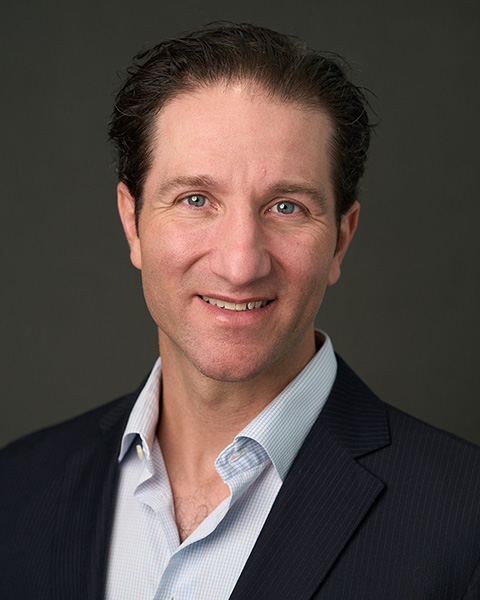
This is not a “T clinic.” Dr. Robbins provides real medical expertise backed by years of specialized training in male hormonal health. A comprehensive evaluation identifies the underlying cause of your low testosterone — not just the number on a lab report. Prostate health assessment is integrated into every treatment plan, and if sexual dysfunction accompanies your low testosterone, Dr. Robbins can address both conditions with a unified approach. You deserve a physician who understands the full complexity of male physiology.
Your safety is the foundation of every treatment plan. Regular lab work monitors your hormone levels, blood counts, and metabolic markers to ensure optimal results without unnecessary risk. Dosages are adjusted based on your individual response, and fertility-preserving protocols using HCG or clomiphene are available for men who wish to maintain reproductive potential during therapy.
You don't have to commit to anything to find out where you stand. It starts with a conversation and a straightforward blood panel — and from there, an honest read on whether treatment would genuinely help you. Most men who come in tell us the same thing afterward: they wish they'd stopped “pushing through” and asked sooner.
Medically reviewed by Dr. David Robbins — Board-Certified Urologist, INTIMÉ Miami. Last reviewed April 2026.
Total testosterone levels below 300 ng/dL are generally considered low. However, symptoms matter more than a single number. Some men experience significant symptoms at levels that fall within the “normal” range, while others feel fine at lower levels. A comprehensive evaluation considers your symptoms, lab values, and overall health.
Improvements in energy and mood typically begin within 2–4 weeks. Libido and sexual function improvements often follow at 3–6 weeks. Physical changes such as increased muscle mass and reduced body fat develop over 3–6 months of consistent therapy.
Testosterone therapy is safe when properly monitored by a qualified physician. Regular lab work tracks your blood counts, PSA levels, and metabolic markers to catch and address any changes early. Dr. Robbins follows evidence-based protocols to minimize risk while maximizing benefit.
Standard testosterone replacement therapy suppresses sperm production and is not appropriate for men actively trying to conceive. However, fertility-preserving alternatives such as HCG and clomiphene citrate are available. Dr. Robbins discusses reproductive goals with every patient before initiating therapy.
A urologist provides comprehensive evaluation beyond a simple lab test. Dr. Robbins assesses prostate health, evaluates for underlying causes of low testosterone, and can manage concurrent sexual dysfunction — all within a single practice. Testosterone clinics often lack this breadth of medical expertise.
Initial evaluation includes total and free testosterone, PSA (prostate-specific antigen), complete blood count (CBC), comprehensive metabolic panel, and lipid profile. These baselines are essential for safe monitoring throughout your therapy and are repeated at regular intervals.
Complete guide to low testosterone symptoms, diagnosis, and medically supervised treatment options in Miami.
Recognize the warning signs of low testosterone and learn when it may be time to see a specialist.
Key factors to consider when selecting a qualified cosmetic urologist for intimate procedures.
A board-certified urologist's perspective on TRT culture — what's clinically supported, what's hype, and how to evaluate your own situation.
The new research on environmental endocrine disruptors and what it means for men's hormone health. Where the evidence is strong and where it isn't.
Untreated sleep apnea is a leading under-recognized cause of low testosterone. Why a sleep evaluation belongs in any hormone workup.